




COOK–CHILL IS THE NEW YIELD BATTLEFIELD FOR DRY BEANS
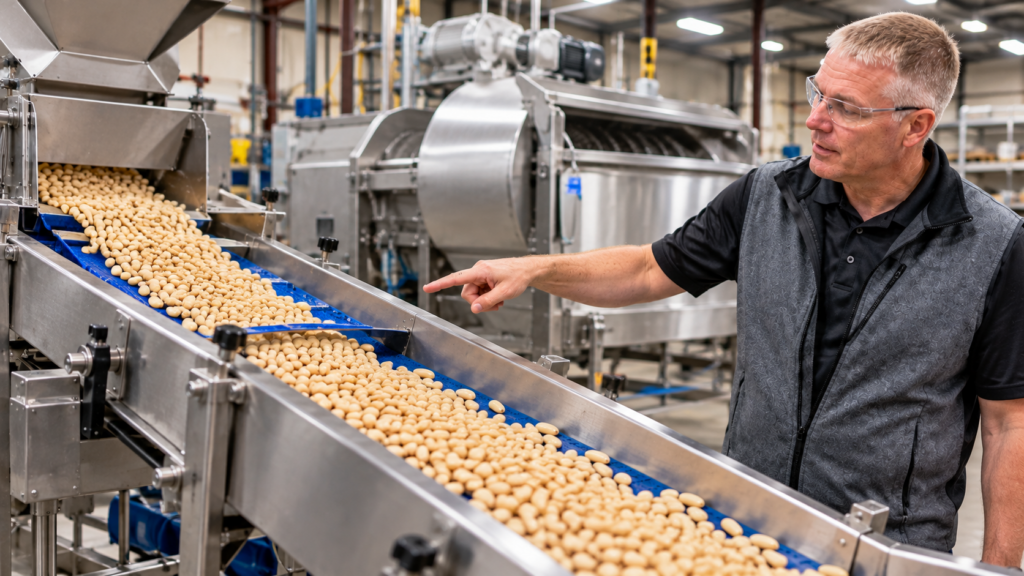
Dry beans are showing up everywhere—ready meals, burritos, soups, salads, protein bowls, refrigerated side dishes. The operational trend behind that demand? More SKUs, shorter production runs, higher food safety expectations, less labor to babysit the line.
In that environment, improving dry bean processing yield isn’t just about the cooker. It’s about the entire cook–cool window: hydration variability, cooking uniformity, discharge handling, cooling speed, sanitation/changeover.
This post lays out the cook–chill specific yield risks and operational fixes that reduce splits, fines, and texture defects.
THE 4 YIELD KILLERS IN COOK–CHILL BEAN OPERATIONS
1) NON-UNIFORM COOKING DRIVES OVERCOOK AND UNDERCOOK
Beans punish uneven heat transfer. The floor “fix” is usually extended cook time—which increases breakage and solids loss.
Fix the root cause:
- Stabilize flow patterns so beans don’t raft, mat, or clump
- Keep dwell time consistent across the product bed
- Use controlled agitation designed to move product gently, not grind it
Lyco Manufacturing’s point of view: systems that maintain uniform, clump-free cooking produce higher grade recovery. More whole beans, fewer splits. You’re not overprocessing part of the batch to save the cold spots. Lyco’s patented Hydro-Flow® technology addresses this directly—over 850 cookers and coolers installed worldwide.
2) CARRYOVER COOKING BETWEEN COOK AND COOL
Product sits warm in a tote, bin, or conveyor while waiting for cooling? Yield drops as skins weaken and solids shed.
Operational moves:
- Reduce post-cook residence time before cooling
- Eliminate “hidden holds” (busy intersections, shared conveyors, manual dumps)
- Set a measurable requirement: time from cook discharge to <40°F (where applicable)
3) TURBULENT COOLING THAT DAMAGES FRAGILE PRODUCT
Right after cook, beans are vulnerable. Overly aggressive quenching, pumping, or uncontrolled turbulence increases splits.
Better cooling looks like:
- High-capacity heat removal with gentle handling
- Recipe-driven control so delicate varieties aren’t treated like pasta or potatoes
- Predictable discharge to downstream filling/mixing
4) CHANGEOVER DRAG THAT CREATES STARTUP SCRAP
Multi-SKU plants lose yield at transitions: partial batches, purge product, mis-set valves, inconsistent sanitation endpoints.
Reduce transition loss:
- Standardize recipes and sanitation steps
- Use equipment designed for fast access and repeatable cleaning
- Build “first good product” targets into the run plan—not “we’ll dial it in”
WHAT “GOOD” LOOKS LIKE: MEASURABLE YIELD TARGETS
Stop treating yield as one number. For beans, the most actionable dashboard:
- Mass yield: pounds out / pounds in
- Whole-bean recovery: % whole vs. splits
- Fines generation: screen captures, TSS, or solids in process water
- Texture pass rate: simple sensory or instrument-based checks tied to recipe
- Time-to-cool: cook discharge to target temperature
This converts “quality complaints” into process signals.
WHERE VERSATILE COOK–COOL EQUIPMENT FITS
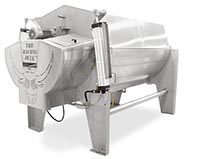
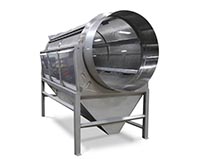
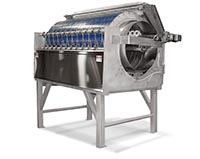
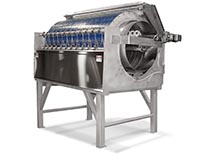
Many plants are consolidating cookers and coolers, reducing footprint, reducing operator touches. A two-in-one cook–cool approach is often the simplest way to reduce yield losses tied to handoffs.
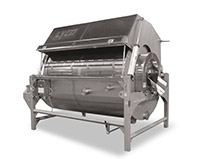
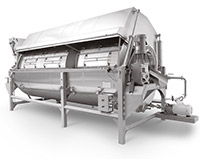
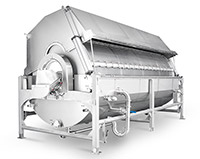
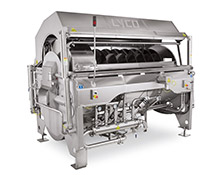
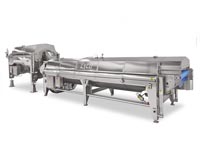
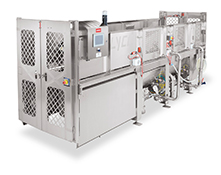
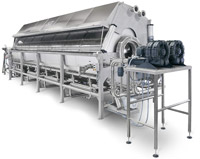
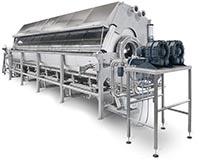
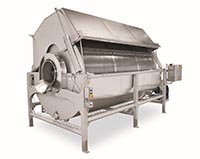
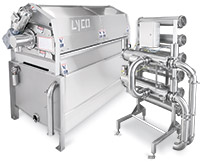
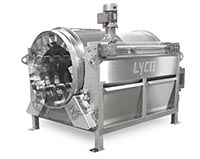
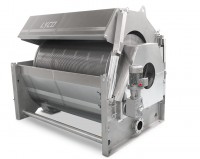
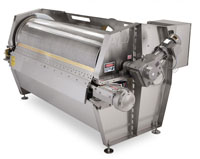
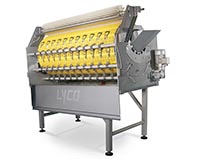
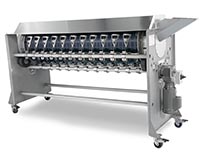
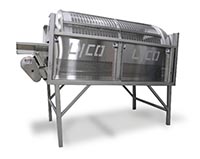
Lyco Continuous Cooker/Cooler aligns with what cook–chill teams need right now:
- Recipe-driven control
- Gentle handling for delicate products
- Rapid cooling capability (sub-40°F when required)
- Flexibility across beans, pasta, rice, vegetables
Run more SKUs with fewer dedicated machines.
Internal linking opportunities:
- Lyco Continuous Cooker/Cooler for Cook-Chill and Cook-Chill concepts
- Hydro-Flow® technology content on uniform cooking/clump reduction
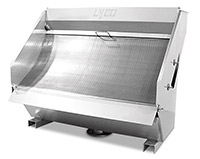
- Wastewater screens / liquid-solid separation for fines management and solids recovery
PRACTICAL TAKEAWAYS FOR OPERATIONS AND CONTINUOUS IMPROVEMENT
- Map your cook–cool timeline. Remove one warm hold point this month.
- Create a bean-specific recipe sheet: ramp rate, dwell time, agitation level, discharge handling, cooling target.
- Add a split-rate check at (2) points: post-cook and post-cool. If splits jump after cooling, your cooling method is the culprit.
- Use sanitation and changeover metrics as yield metrics—because they are.
NEXT STEP
Want to compare Batch to Continuous Cook/Chill for beans? See what changes yield, texture, and changeover time?
Questions? Call 920-623-4152