




FULLY ABSORBED RICE COOKING PROCESS EQUIPMENT STRATEGY: BATCH KETTLES VS. CONTINUOUS FIFO COOKING
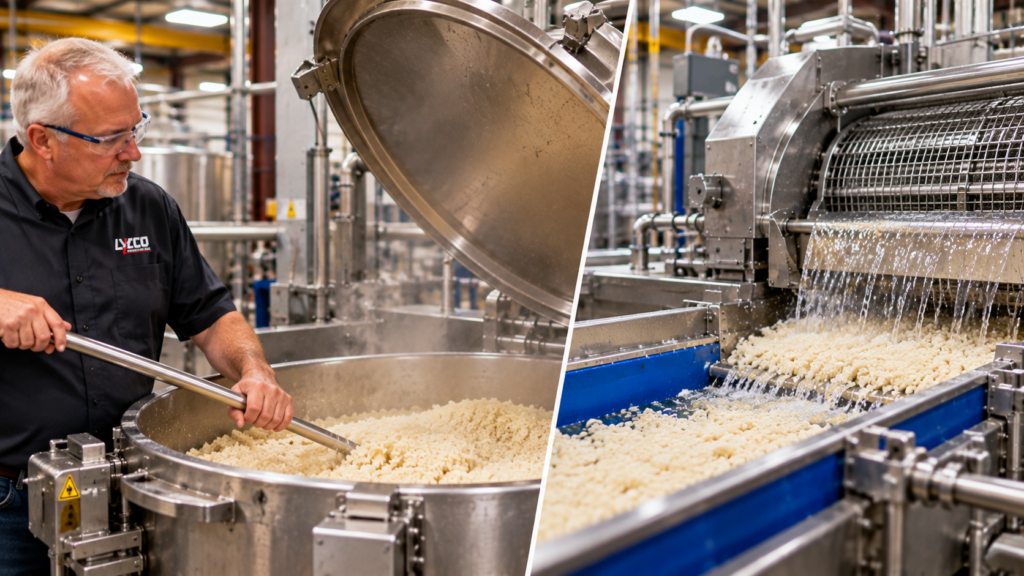
Processors don’t switch to a fully absorbed rice cooking process because they want a new “rice recipe.” They switch because the old approach breaks down under modern constraints: higher throughput targets, fewer operators, more SKUs per day, tighter moisture specs, and less tolerance for wastewater load.
The strategic question most plants are asking: Can batch systems keep up with fully absorbed requirements, or does the process demand continuous, first-in/first-out control?
WHAT’S DRIVING THIS COMPARISON RIGHT NOW
Several industry trends are colliding:
- Prepared meals growth + line extensions: rice appears in more SKUs, with less time for dedicated equipment
- Sanitation labor constraints: fewer people, more cleaning cycles, higher hygiene expectations
- Utility costs and discharge scrutiny: cooking styles that create more drain flow and solids loss get expensive fast
- Automation expectations: recipe-driven control is replacing “operator-managed consistency”
Fully absorbed rice fits these trends—but only if the plant can hold the process stable.
BATCH COOKING FOR FULLY ABSORBED RICE: WHERE IT WORKS, WHERE IT BREAKS
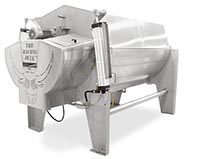
Batch kettles and batch basket systems can produce fully absorbed rice, especially at smaller scales or with stable schedules.
Batch strengths:
- Familiar operation, less expensive initial investment
- Easier to run multiple rice varieties if downtime is acceptable
- Lower complexity for low-volume, high-flex applications
Batch risk points (common in real plants):
- Inconsistent residence time inside the batch (hot/cold spots, uneven agitation)
- Operator variability (water additions, timing, subjective “doneness” calls)
- Changeover cost (cleaning, allergen controls, starch buildup)
- Scale limits (adding kettles adds labor, floor space, and coordination headaches)
Batch can be “good enough” until the product becomes an ingredient feeding high-speed packaging—then variation becomes downtime.
CONTINUOUS FIFO COOKING: WHY IT MAPS WELL TO FULLY ABSORBED
A fully absorbed rice cooking process benefits from repeatable exposure: same water ratio, same temperature profile, same residence time distribution, same agitation intensity.
Continuous strengths:
- First-in/first-out residence time supports uniform texture and moisture
- Process stability under steady-state throughput reduces defects
- Automation and recipe control improve repeatability across shifts
- Less rework and giveaway when moisture and texture stay on target
For many operations teams, the deciding factor isn’t “continuous is better.” It’s: continuous is easier to standardize, especially when labor experience is thin.
SANITATION AND CHANGEOVERS: THE HIDDEN DECIDER
Plants running rice alongside pasta, vegetables, beans, and proteins see the same pain point: starch, fines, and sticky soils that slow cleaning and extend downtime.
If the line is doing multiple SKUs per day, the best throughput gain often comes from:
- Faster, more repeatable cleanup
- Less disassembly
- CIP-ready zones that hit consistent results shift after shift
This is where sanitary design becomes a production lever, not just a compliance topic.
HOW TO EVALUATE YOUR CURRENT STATE (A PRACTICAL CHECKLIST)
Use this checklist to decide whether your fully absorbed rice cooking process is being limited by equipment or by discipline:
- Are you seeing moisture/yield drift by shift even with the same raw rice and same spec?
- Do you have clumping events tied to certain loads, operators, or changeovers?
- Is your packaging line stopping due to inconsistent flowability (bridging, poor depositing, torque spikes)?
- Are sanitation cycles increasing because of starch buildup and hard-to-access zones?
- Are you managing wastewater solids and starch with extra screens, filters, or settling steps?
If you answered “yes” to several, the plant is effectively paying a daily tax for variability.
THREE PATHS MOST PLANTS END UP DISCUSSING
Processors typically land in one of three directions:
1) Keep batch, tighten controls: better ratio discipline, improved monitoring, standardized work, and more robust cooling steps
2) Add continuous fully absorbed cooking for high-volume SKUs, keep batch for limited runs
3) Consolidate cook/chill assets to reduce machines, transfers, and sanitation time
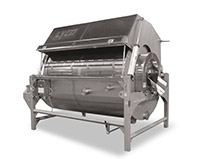
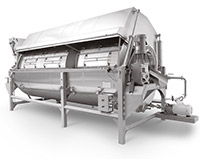
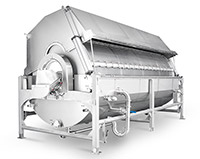
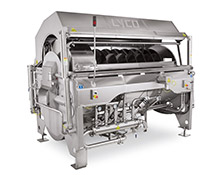
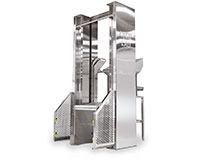
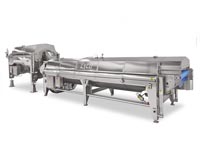
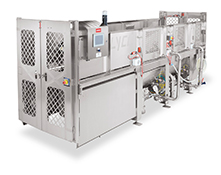
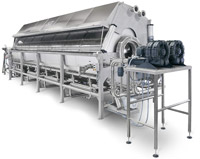
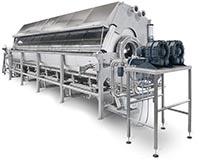
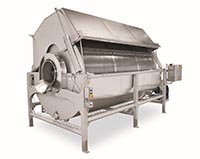
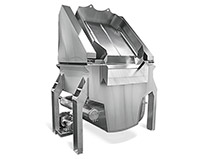
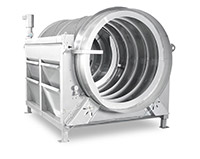
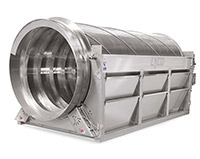
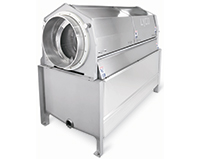
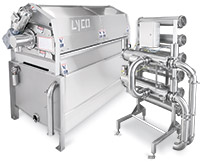
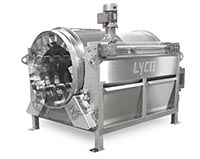
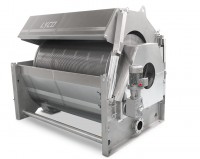
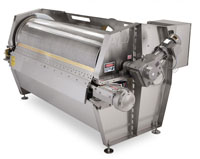
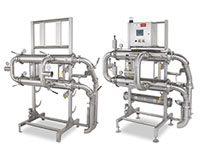
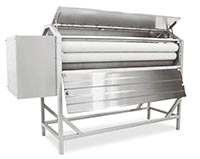
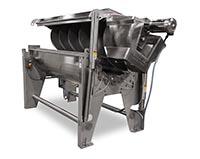
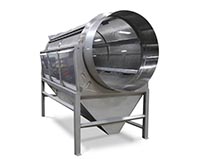
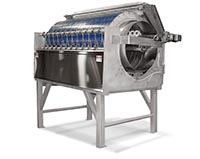
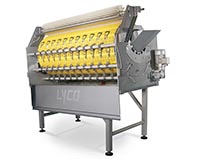
Lyco Manufacturing is typically brought into these conversations because we build systems across these needs: Temper-Flow® for fully absorbed, low-moisture rice at scale (over 850 continuous cookers sold), Clean-Flow® for sanitary continuous cooking/cooling in multi-SKU environments, and Versa-Flow™ solutions when flexibility and smaller capacity matter.
PRACTICAL TAKEAWAYS
- Fully absorbed rice is easiest to stabilize when residence time and water ratio are controlled with minimal operator interpretation.
- Batch can work, but variability, sanitation time, and scaling constraints often become the limiting factor.
- Continuous FIFO cooking plus sanitary, CIP-ready design aligns with current realities: high mix, high compliance, low labor.