




HOW TO MANAGE A FULLY ABSORBED RICE COOKING PROCESS LIKE A CONTROLLED INDUSTRIAL SYSTEM
Most rice problems are not “rice problems.”
They’re control problems: inconsistent feed rate, drifting water addition, retention time spread, delayed cooling, and sanitation constraints that force operational shortcuts.
Plants that win on rice treat the fully absorbed rice cooking process as a closed-loop system with measurable KPIs—not a craft operation dependent on who’s running the line that shift.
THE CONTROL STACK: FROM “SETPOINTS” TO REPEATABILITY
Industrial rice lines are moving toward automation-backed repeatability because staffing and training cycles can’t keep pace with SKU expansion.
A practical control stack includes:
- Rate-based water addition (tied to infeed mass flow)
- Temperature control by zone (not one blanket setpoint)
- FIFO or near-FIFO product movement to reduce residence time spread
- Recipe management for different varieties, grain lengths, and inclusions
- Data logging for moisture, temperature, and downtime events
Processors increasingly expect Allen-Bradley PLC-level functionality and auditability—not knobs and gauges—because it reduces rework and makes QA discussions factual instead of anecdotal.
KPIs THAT MATTER IN A LOW-MOISTURE RICE COOKING PROCESS
If you only track throughput (lb/hr), you’ll miss the drivers of yield loss, clumping, and customer complaints.
Track these instead:
- Finished moisture (mean + standard deviation)
- % free water at discharge (should be near-zero for fully absorbed outcomes)
- Retention time distribution (not just average)
- Rework rate and clump rejects (by SKU)
- Changeover minutes (actual wrench time + CIP + verification)
- Water usage per lb of finished rice
- Unplanned downtime causes (sticking, plugging, sanitation, instrumentation)
These metrics tell you where the process is drifting before it shows up as customer complaints.
WHY “CHANGEOVER ENGINEERING” IS NOW PART OF RICE QUALITY
Plants running multiple SKUs of rice, pasta, vegetables, beans, and proteins on the same day face a hard truth: sanitation design affects product quality.
When changeovers take too long, teams cut corners:
- Shorter rinses
- Deferred deep clean
- Higher risk of cross-contact
- Buildup that becomes sticking/clumping later in the shift
Modern thinking pushes toward:
- CIP-ready designs with fewer harborage points
- Repeatable CIP cycles (time/temperature/chemistry documented)
- Faster verification and restart
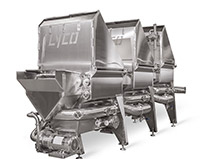
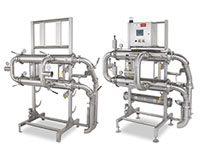
This is the philosophy behind Lyco’s Clean-Flow® positioning for multi-product operations: sanitation speed is capacity.
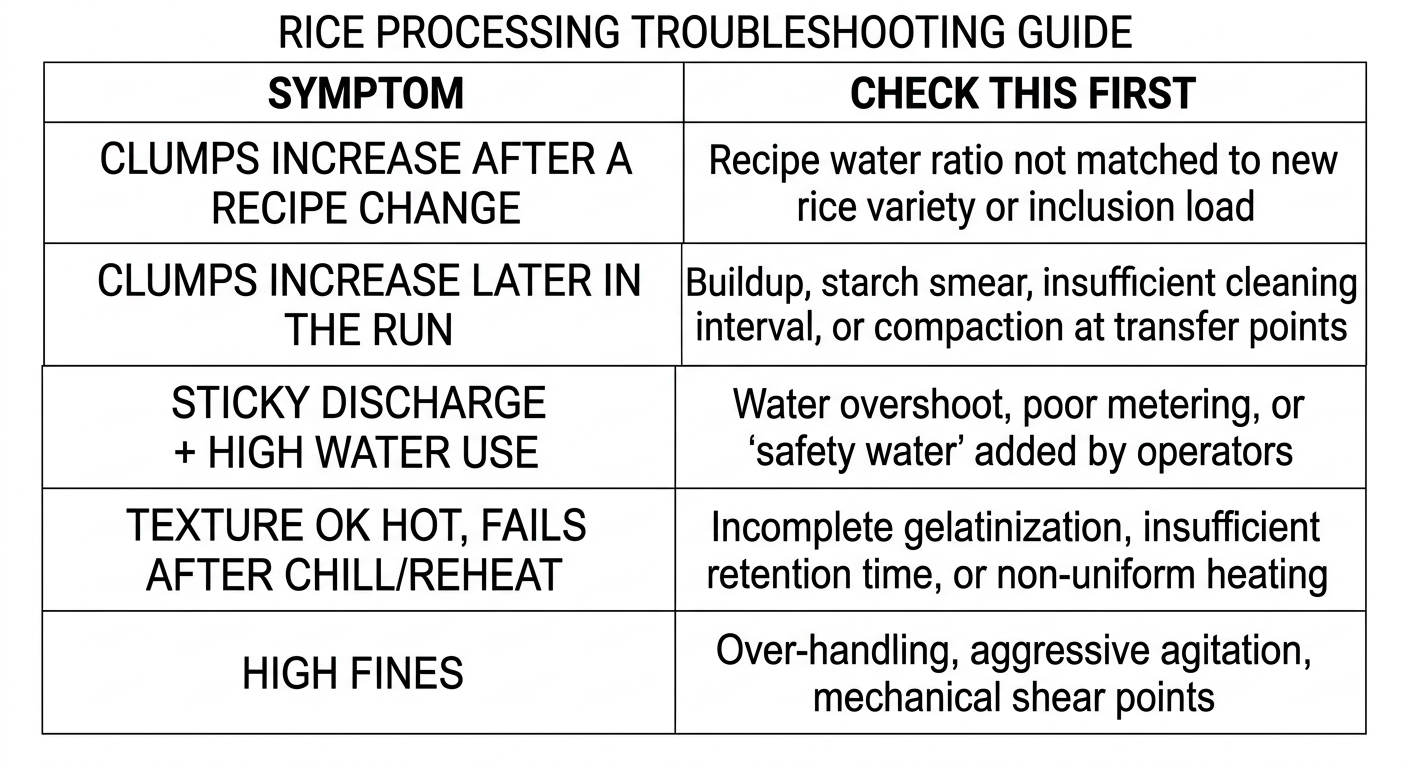
TROUBLESHOOTING MAP: SYMPTOM → PROCESS VARIABLE
Use this as a fast diagnostic framework:
SYSTEM-LEVEL THINKING: COOKING + COOLING IS ONE PROCESS
For RTE and further processing, cooling is not an accessory. Cooling speed and uniformity determine:
- Food safety margin
- Texture stability
- Clump formation during downstream conveying and packaging
If your cooling step is slow or inconsistent, you’ll see rice “set up” into masses, then break apart as damaged kernels and starch—exactly what customers reject.
RELATED EQUIPMENT CONSIDERATIONS
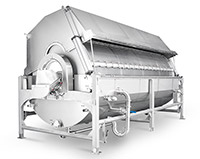
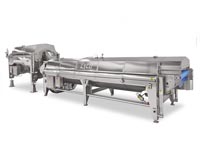
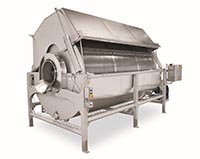
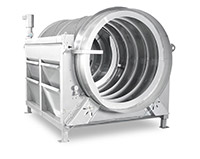
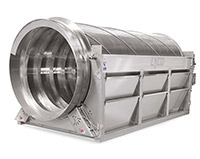
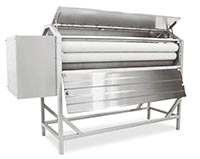
Cooling constraint? Lyco’s Easy-Flow® Cooler delivers seconds-level particulate cooling with quench-water reuse options.
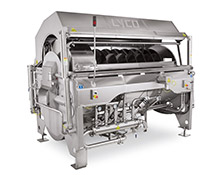
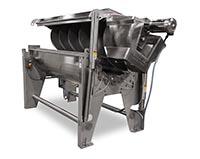
Need cook + cool in one footprint? Review Combination Cooker-Cooler system layouts designed for continuous operation.
Running multiple particulates and fighting sanitation time? Clean-Flow® CIP-focused processing principles address yield and changeover speed together.
WHERE TEMPER-FLOW® FITS
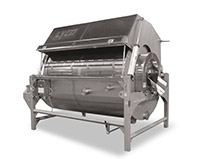
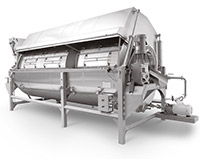
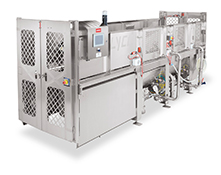
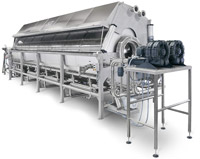
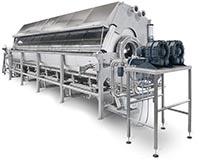
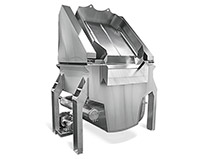
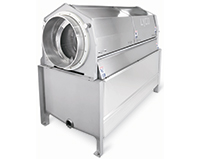
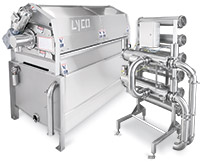
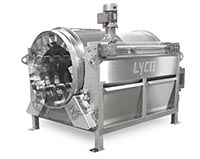
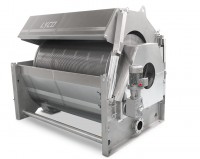
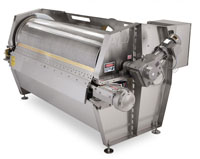
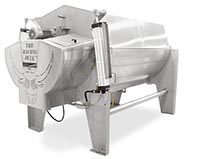
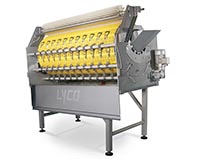
Lyco Manufacturing’s Temper-Flow® aligns with what control-driven plants are building: a continuous, fully absorbed approach aimed at uniform moisture control, repeatable residence time, and changeover efficiency.
The strategic idea is bigger than any single machine—design the line so operators manage recipes and exceptions, not constant drift.