




INDUSTRIAL SOUS VIDE PROCESSING EQUIPMENT: THE COOLING STEP IS WHERE PLANTS WIN OR LOSE
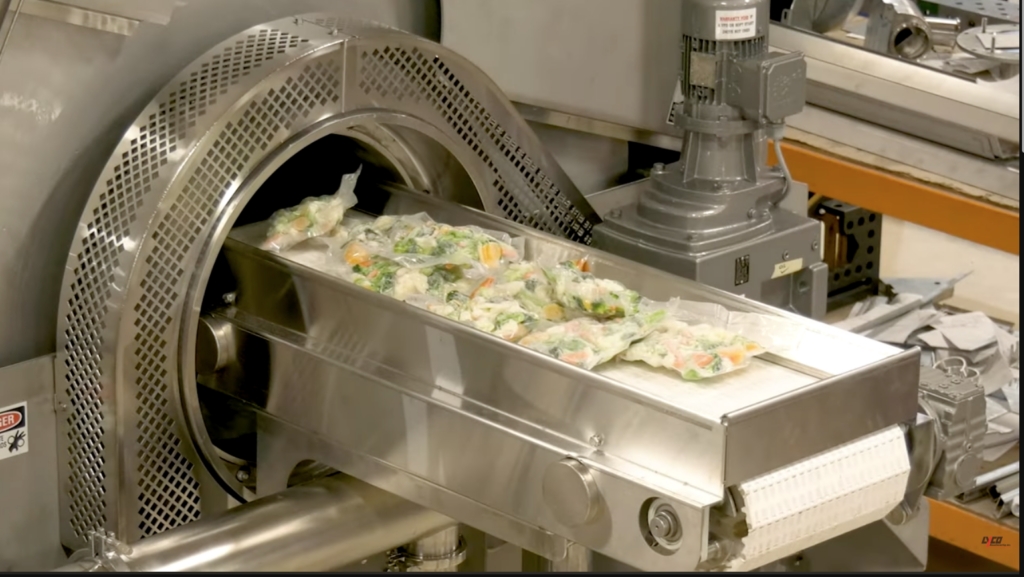
Here’s what most equipment searches miss: industrial sous vide isn’t about the water bath. It’s a validated thermal process plus package handling plus rapid cooling through the danger zone—all documented, all repeatable, all defensible under audit.
That’s why “industrial sous vide processing equipment” searches are climbing alongside ready-to-eat growth, pouch-packed meals, high-mix SKU counts, and FSMA verification demands. Plants are being asked to scale sous vide-style quality while proving time/temperature control, lot traceability, and cooling performance.
The plant-floor reality: most failures happen after cook—at cooling, accumulation, and pouch damage—because lines are running higher volumes with less labor and more pouch formats than legacy coolers were ever built to handle.
WHAT “INDUSTRIAL SOUS VIDE” ACTUALLY REQUIRES (IT’S NOT JUST A WATER BATH)
Walk the floor and you’ll see the equipment stack typically includes:
- Cookers / hot water immersion or retort systems (product-specific lethality targets)
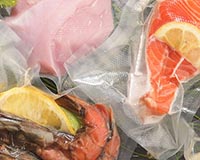
- Hot-fill pouching (flexible packaging, multiple sizes, higher SKU churn)
- Rapid pouch cooling (core temp pulled down fast, uniform, documented)
- Post-cool handling (drying, case packing, cold storage, distribution)
In sous vide-style processing, cooling is not optional. It’s the critical control step that determines whether you can:
- Pull product through the bacterial danger zone fast enough
- Hold texture, emulsion stability, and fat distribution (soups, sauces, chowders, pet food gravies)
- Reduce pouch swelling, seal stress, scuffing, and corner wear
- Maintain line reliability under high-mix, high-volume conditions
THE BIG SHIFT: MORE POUCHES, MORE SKUS, MORE PROOF REQUIRED
Across North American food and pet food plants, three trends are forcing renewed scrutiny on cooling systems:
- POUCHED RTE AND “HEAT-AND-EAT” GROWTH
Flexible packaging is expanding because it ships efficiently and merchandises well. Volume is up. Tolerance for defects is down. - AUDIT-READY VALIDATION
QA teams want verifiable time/temperature data, repeatability across shifts, and defensible HACCP documentation—not just “it worked.” - LABOR AND SPACE CONSTRAINTS
Continuous systems with smaller footprints are replacing static tanks, manual basket handling, and long deluge belts. Plants can’t staff the old approach.
That’s why interest is rising in continuous sous vide pouch cooling equipment, high-capacity pouch chillers, and validated rapid cooling for hot-filled pouches—even when the upstream cook step varies by product.
WHY TRADITIONAL COOLING METHODS STRUGGLE IN INDUSTRIAL SOUS VIDE LINES
STATIC TANK COOLERS
Common outcomes at scale:
- Temperature gradients, dead zones, inconsistent core cooling
- Manual handling, WIP accumulation, poor FIFO control
- Limited documentation unless operators add extra steps
WATER DELUGE BELTS
Typical issues:
- Long footprint, high water use, inconsistent pouch contact
- Belt tracking problems, carryover, maintenance burden
- Varying cooling rates across pouch sizes and fill weights
SPIRAL FREEZERS AS A “COOLER” WORKAROUND
Spirals have their place, but when used to solve a cooling bottleneck:
- They may cool surfaces quickly while leaving core lag
- They add complexity, sanitation load, and floor space costs
- They’re not designed for water-cushioned pouch handling
WHAT TO LOOK FOR IN INDUSTRIAL SOUS VIDE PROCESSING EQUIPMENT (COOLING FOCUSED)
For pouch meals, soups, sauces, and pouched pet food, prioritize these criteria:
1) TRUE FIRST-IN/FIRST-OUT FLOW (FIFO)
FIFO isn’t marketing language—it’s what keeps cooling time consistent across the run, supports traceability, and prevents “short-cooled” pouches from reaching packaging.
2) HIGH HEAT TRANSFER, NOT JUST “MORE WATER”
Cooling performance comes from controlled agitation, full pouch contact, and uniform energy removal—not simply spraying more water at the problem.
3) GENTLE HANDLING FOR FLEXIBLE PACKAGING
Look for water-cushioned conveyance, minimized drop points, and reduced abrasion—especially with corner seals and high-fat products that show damage.
4) VERIFIABLE PROCESS METRICS
QA and engineering teams need the ability to validate:
- Target exit temperature
- Residence time distribution
- Repeatability under SKU changeovers
5) FOOTPRINT, WATER, AND ENERGY REALITY
Plants are under pressure to reduce utilities while increasing throughput. Systems that cool faster in a smaller footprint change the economics.
WHERE CHILL-FLOW™ FITS IN THE DECISION
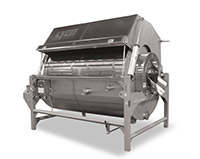
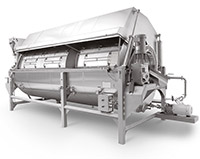
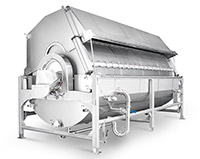
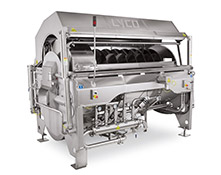
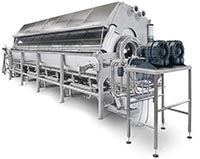
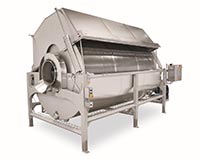
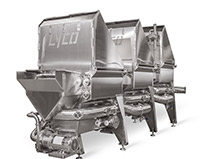
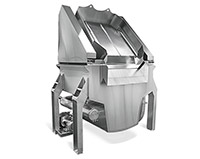
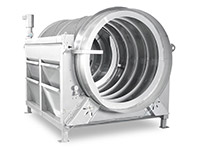
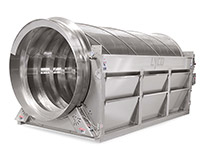
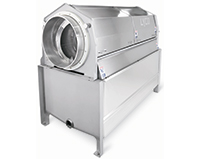
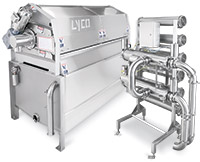
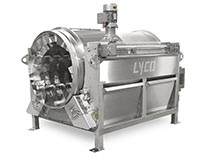
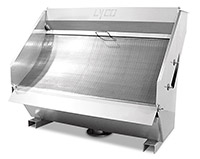
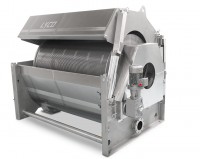
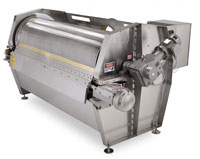
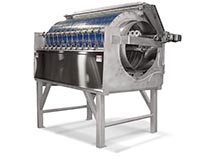
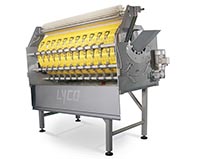
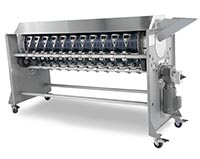
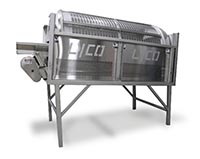
Lyco Manufacturing’s Chill-Flow™ approach aligns with what industrial sous vide lines need most at the cooling step:
- Patented Hydro-Flow® submerged agitation for fast, uniform heat removal
- Gentle water-cushioned handling to reduce pouch damage
- True FIFO flow to support validation and consistent cooling
- Configurable for a broad range of pouch sizes and production rates
If you’re building internal alignment, this is the decision framework: cooling rate + handling damage + FIFO control + documented repeatability.
PRACTICAL TAKEAWAYS FOR TEAMS STILL IN RESEARCH MODE
If you’re early in the process and not buying yet, start here:
- Map your current process and note where pouches queue (WIP = risk)
- Define what “done cooling” means: core temp, not surface
- Audit for pouch damage sources: corners, seals, abrasion points, drop heights
- Ask QA what documentation gaps exist for cooling verification
Get these answers before you spec equipment. They’ll drive the right conversation.