




Preventing Pasta Clumping in Industrial Cookers When You Run Multiple SKUs a Day
RTE demand keeps climbing. SKU counts keep climbing. And plants are being asked to do more with fewer people—shorter runs, more allergens, tighter sanitation windows, higher audit pressure.
In that environment, pasta clumping becomes a tax on the whole facility: yield loss, rework, downtime, inconsistent finished meal quality. We hear it constantly from plant managers: “The cooker is clean, but we’re still getting clumps on startup.”
That’s because “clean” and “film-free” aren’t the same thing.
This post focuses on a specific, common scenario: preventing pasta clumping in industrial cookers during frequent product changeovers.
THE MOST COMMON CHANGEOVER-DRIVEN CLUMPING MECHANISMS
In plants running pasta + rice + vegetables + proteins on shared systems, clumping typically traces back to:
- Residual starch film from pasta runs bonding product on the next startup
- Fat/oil/grease carryover from proteins that amplifies sticking
- Inconsistent water refresh after changeover (starch bath effect)
- Operator variability in restart procedures and setpoints
7 PRACTICAL WAYS TO REDUCE CLUMPS BETWEEN RUNS
1) DEFINE “CLEAN” AS VISUAL + FILM-FREE + DRAINED
A shiny surface can still be coated.
- Add a film check at key points: discharge chute, screen areas, under covers
- Verify full drain-down—pooled water becomes a starch glue starter
Related search terms: pasta cooker changeover clumping, starch film after CIP
2) SHORTEN THE STARTUP “DIRTY WINDOW”
Most clumps show up in the first minutes after restart.
- Run a controlled flush to stabilize overflow and temperature before introducing full-rate product
- Keep a startup recipe documented: flow rates, temps, dwell targets
3) SEPARATE “WASHING” FROM “PROCESSING” WATER STRATEGY
When operators use process water as cleaning water, starch management collapses.
- Establish overflow targets (even basic ones) and hold them
- Use trend lines—if overflow drops during a labor crunch, clumps will rise
4) BUILD A CHANGEOVER MATRIX BY PRODUCT FAMILY
Pasta after pasta is different than pasta after breaded protein.
- Family-to-family transitions need different wash steps and restart setpoints
- Document what changes: temperature ramp, overflow, agitation, dwell
5) AUDIT LIQUID-SOLID SEPARATION POINTS
Clumps often start where fines accumulate.
- Screens, drains, and discharge interfaces collect starch and fragments
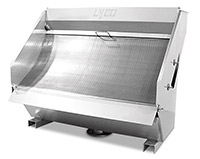
- Ensure these are accessible, cleanable, and not creating recirculation zones
6) COOLING IS PART OF SANITATION SUCCESS
Slow cooling extends the tacky window, transfers smear, and sanitation gets harder.
- Rapid cooling reduces surface stickiness and improves downstream cleanliness
- “Cook-chill discipline” reduces residue build-up over time
7) MOVE FROM OPERATOR ART TO RECIPE CONTROL
Labor shortages make consistency fragile.
- Recipe-driven controls reduce dependency on the “one person who knows pasta”
- Track deviations—clumping correlates strongly with uncontrolled changes
WHERE CONTINUOUS, SANITARY DESIGN MATTERS
Some cooker designs inherently trap residues. Others are built to minimize them.
When evaluating equipment approaches, look for:
- Hygienic construction that supports low care/high care separation
- CIP-forward design that actually hits hard-to-reach zones
- Uniform agitation that prevents product nesting without shredding pasta
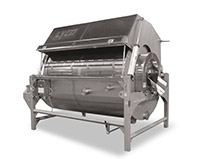
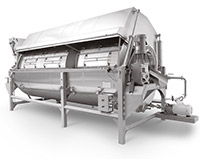
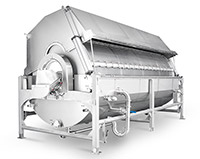
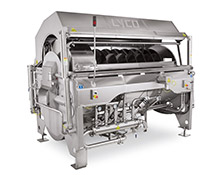
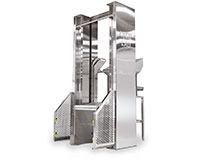
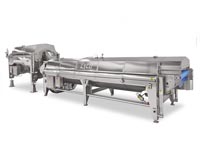
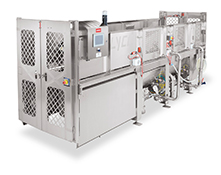
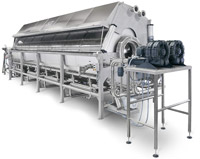
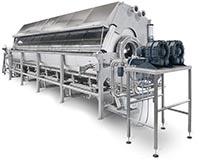
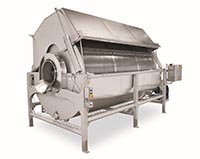
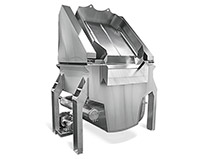
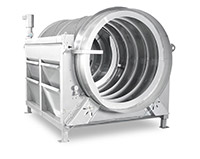
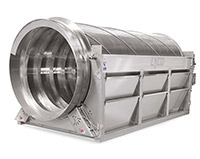
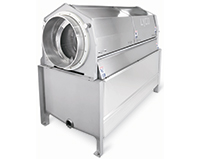
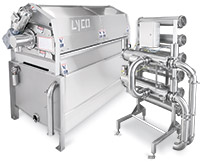
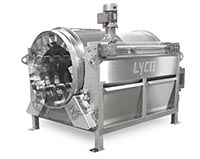
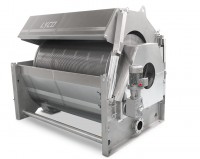
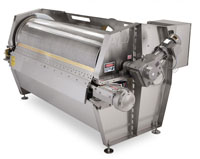
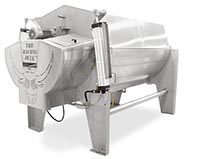
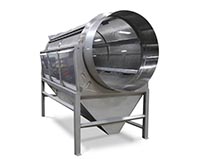
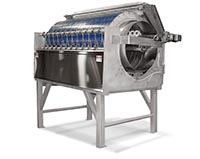
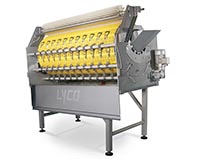
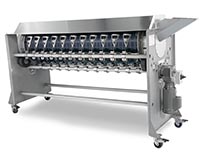
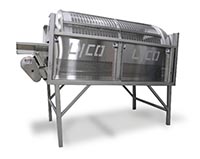
Lyco’s Clean-Flow® systems are built around these principles—full-coverage CIP, minimal harborage, and controlled agitation. The Combination Cooker-Cooler integrates cook + cool in one footprint, eliminating transfer points where clumps form.
PRACTICAL TAKEAWAYS FOR PLANT LEADERS
If clumps track with changeovers: root cause is usually film + restart instability, not “bad pasta”
If clumps track with staffing: root cause is usually non-recipe operation
If clumps track with protein SKUs: root cause is usually FOG carryover + inadequate separation/cleaning
Stop chasing the symptom. Fix the system.