


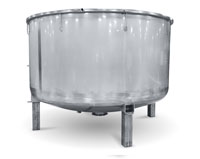

PROCESS-CONTROLLED SOAKING — THE FASTEST PATH TO IMPROVING DRY BEAN HYDRATION EFFICIENCY
WHY “HYDRATION EFFICIENCY” IS A PLANT-FLOOR KPI NOW
Food manufacturers are getting hit from both sides: tighter yield expectations and higher utility costs, plus growing market demand for beans in ready meals, plant-based proteins, and value-added ingredient packs. On the processing floor, that pressure shows up as the same repeat problems—inconsistent soak pickup, blowouts and splits, variable cook times, unpredictable throughput, and high wastewater load from starch and solids carryover.
When operations teams talk about improving dry bean hydration efficiency, they’re usually chasing four outcomes:
- Faster target moisture pickup (less soak time, less WIP)
- More uniform hydration across the tank (fewer over/under-soaked beans)
- Higher yield and better texture after blanching, cooking, and cooling
- Lower water, energy, and labor per pound of finished product
THE CORE VARIABLES THAT DRIVE HYDRATION (AND WHY THEY DRIFT)
Hydration isn’t “set it and forget it.” It’s a controlled unit operation where small drift creates big downstream variability.
1) WATER-TO-BEAN RATIO AND DISTRIBUTION
Too tight, and you create localized concentration gradients, uneven swelling, hot/cold zones, and inconsistent pickup. Too loose, and you pay for water, heating, pumping, and wastewater handling without gaining uniformity.
Actionable takeaways:
- Standardize a water-to-bean ratio by variety—navy vs. kidney vs. garbanzo behave differently
- Use tank geometry and loading practices that eliminate “bean hills,” dead zones, and compaction
2) TIME-AT-TEMPERATURE (SOAK TEMPERATURE STABILITY)
Hydration rate accelerates with temperature, but instability drives non-uniform pickup and increases split risk. Many plants see temperature drift due to make-up water additions, shift changes, or inconsistent heating practices.
Actionable takeaways:
- Treat soaking like a controlled cook step: target temperature, allowable band, time-in-band
- Track soak tank temperature at multiple points, not just one measurement location
3) BEAN QUALITY VARIABILITY (INCOMING MOISTURE, AGE, STORAGE)
Crop year, storage conditions, and initial moisture content can swing hydration behavior significantly. This is where “same settings, different outcome” comes from.
Actionable takeaways:
- Record incoming lot moisture and adjust soak time/temperature using a simple rule set
- Build an operator-facing “recipe card” approach: variety + lot + target pickup
4) SANITATION, BIO-LOAD, AND TANK TURNOVER
Longer soaks, warm water, and organic load create predictable sanitation risk. The market is trending hard toward documented sanitation controls, allergen changeover discipline, and audit-ready records—bean operations aren’t exempt.
Actionable takeaways:
- Design for fast dump, self-drain, and clean access; reduce harborage points
- Define tank turnover SOPs: drain, rinse, verify, refill—no “top-off and keep going”
WHERE MOST LINES LOSE HYDRATION EFFICIENCY: INCONSISTENT MECHANICS
In many plants, hydration inconsistency isn’t a “bean problem”—it’s a mechanics and handling problem:
- Uneven fill and discharge creates segregation (small vs. large beans, broken vs. whole)
- Poor drainage leaves residual water that dilutes the next batch and changes soak kinetics
- Hard-to-clean surfaces drive longer downtime and rushed sanitation
This is where purpose-built soaking equipment matters. Hydration efficiency depends on repeatability.
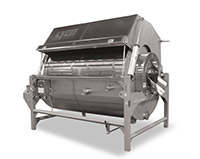
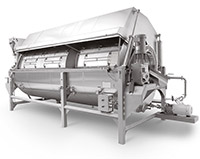
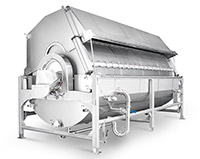
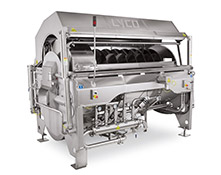
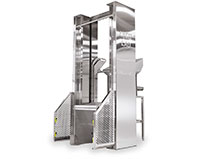
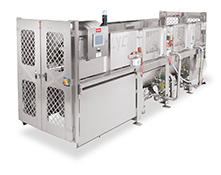
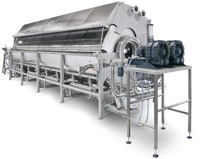
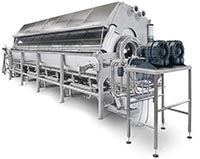
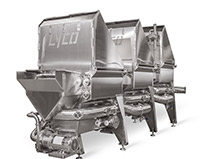
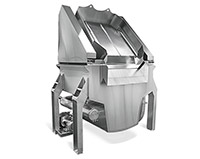
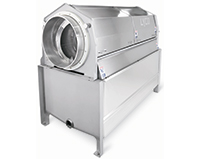
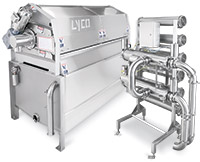
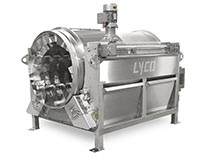
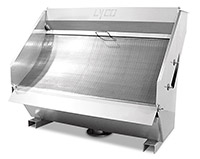
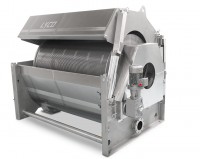
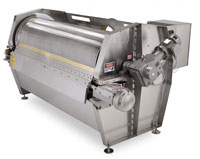
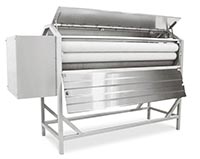
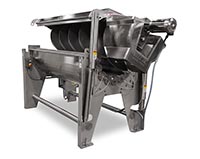
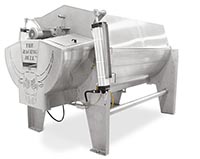
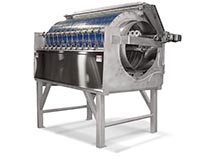
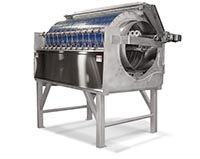
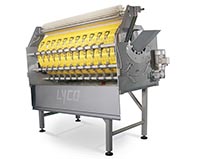
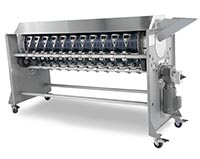
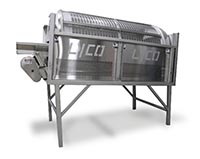
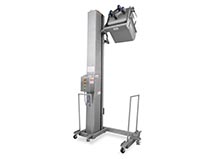
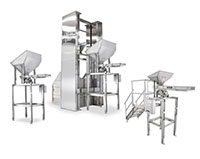
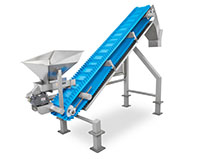
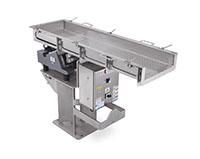
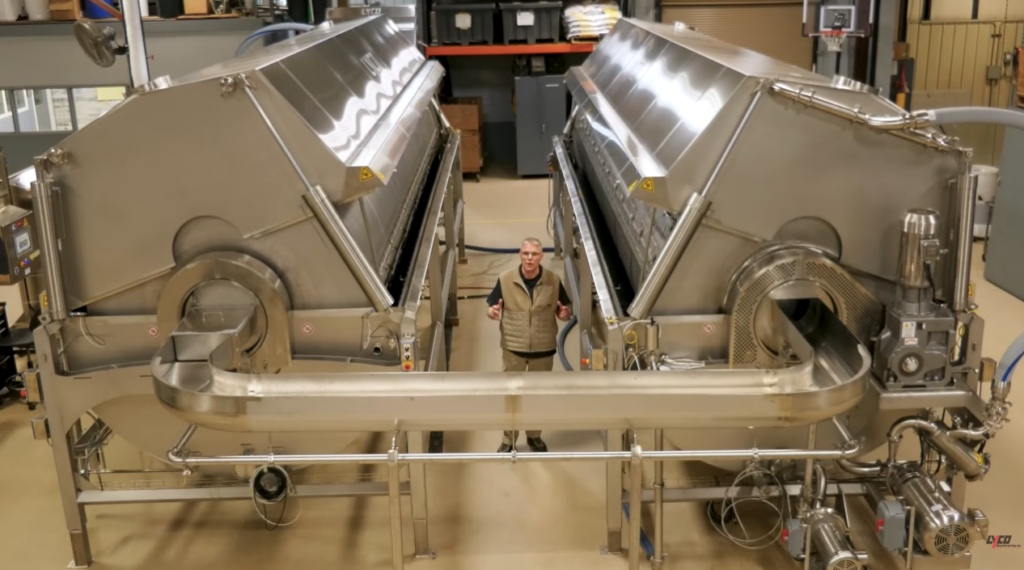
Lyco Manufacturing’s continuous hydration solution consists of step cooking/blanching reducing hydration times. With over 850 units sold across bean, grain, and pasta operations, the design reflects decades of plant-floor feedback on what actually holds up.
Benefits of Continuous Dry Bean Hydration versus traditional soak tank systems are:
- Continuous systems- are always first in/first out. Ensuring the beans are not shocked and split.
- Improved Quality and Recovery– Lyco unique agitation increases quality with uniform hydration resulting in improved yields as each bean is processed the same.
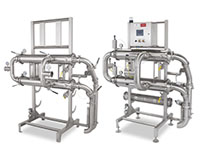
- Reduces Labor and Water Usage– all our systems are automated with PLC controls for precise temperature controls and water usage this eliminates human error and produces a repeatable process.
- Save valuable floor space over traditional soak tanks. Reduces time for 10-12 (cold soak) to 35-60 minutes.
- Reduced Sanitation– these systems have an optional CIP system for cleaning.
- Small to High Volume Capacities– these systems can range as small as 1000 PPH all the way up to 15,000 PPH or more finished.
HOW TO MEASURE “IMPROVING DRY BEAN HYDRATION EFFICIENCY” (SO YOU CAN PROVE IT)
Hydration projects stall when teams can’t quantify gains. Use a small dashboard:
- Soak pickup % (weight gain or moisture gain to target)
- Within-batch variability (sampling at multiple points in the tank)
- Split/blowout rate before and after cook
- Cook time to tenderness (or texture metric) after soak
- Water usage per lb of finished beans
- Downtime minutes per sanitation cycle
Practical example: If hydration variability forces you to over-soak “to be safe,” you pay twice—more splits (yield loss) and longer cook correction (capacity loss). Tightening soak consistency often returns capacity without adding a new cooker.
DOWNSTREAM EFFECT: WHY HYDRATION SETS UP BLANCHING AND COOKING SUCCESS
Soaking is only step one. Your blancher and cooker performance depends on starting conditions.
- Under-hydrated beans extend cook time, increase energy draw, and raise the risk of center hardness
- Over-hydrated beans increase skins sloughing, solids in the water, and texture defects
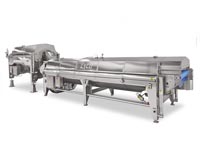
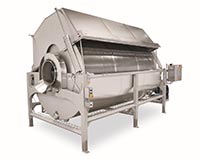
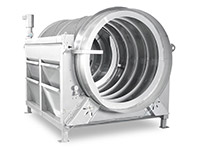
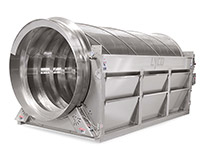
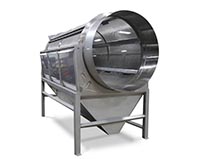
For continuous blanching and cooking where retention time control matters (2–60 minutes), a Rotary Drum Blancher can be paired downstream to stabilize cook results after consistent soaking. The drum design provides gentle agitation and uniform temperature—critical for beans that need controlled processing without mechanical damage.
PRACTICAL CHECKLIST: 7 FIXES YOU CAN EXECUTE THIS QUARTER
- Write soak “recipes” by variety and lot condition
- Lock in water-to-bean ratio and loading method
- Add temperature band control and multi-point checks
- Implement sampling plan for within-tank uniformity
- Standardize dump/drain/clean cycle times
- Track split rate and correlate to soak variables
- Align soak output to blanch/cook input capacity (stop starving or flooding the next step)
NEXT STEP
If you’re diagnosing inconsistent soak pickup, split rates, or throughput loss tied to hydration variability, we can help you map the process conditions and mechanical constraints quickly.