




REDUCING SOAK TIME WITHOUT DESTROYING QUALITY: A PRACTICAL GUIDE TO IMPROVING DRY BEAN HYDRATION EFFICIENCY
THE INDUSTRY TREND: MORE BEAN SKUS, LESS TIME, FEWER PEOPLE
Prepared foods and ingredient plants are adding more SKUs—different bean varieties, sauces, meal kits, and ready-to-eat formats—while simultaneously dealing with labor scarcity and tighter production windows. That combination pushes teams to chase one thing: shorter soak cycles without paying for it in defects.
But reducing soak time blindly is how plants end up with:
- Hard centers after cooking
- Non-uniform texture (chalky vs. mushy in the same lot)
- Higher split rate in blanching and cooking
- More rework, more holds, more QA exceptions
Improving dry bean hydration efficiency isn’t just about “faster.” It’s about faster with uniformity.
THE 3 LEVERS THAT SHORTEN SOAK TIME (WITHOUT CREATING REWORK)
1) TEMPERATURE-DRIVEN KINETICS (CONTROLLED ACCELERATION)
Raising soak temperature increases hydration rate—until you cross into conditions that stress skins, increase microbial risk, or create uneven pickup.
Do this:
- Set a target soak temperature and enforce a narrow band
- Treat make-up water additions as a controlled event (volume + temperature), not “whoever adds a hose”
2) WATER MANAGEMENT AND SOLIDS CONTROL
As hydration proceeds, starch and fines migrate into the water. That changes effective diffusion, increases cleaning load, and complicates reuse strategies.
Do this:
- Define water change frequency based on measurable triggers (turbidity, solids load, hours-in-service)
- If you reclaim water, put guardrails around it: filtration, temperature control, and sanitation validation
3) MATCHING SOAK DISCHARGE TO CONTINUOUS COOKING AND BLANCHING
The fastest way to lose your time savings is to push variability into the next step. If soak output is inconsistent, the blancher or cooker becomes a correction step.
Do this:
- Align soak endpoint targets (pickup, texture precondition) with continuous cookers setpoints and retention time
- Document what “ready to blanch” looks like: weight gain, bite test standard, or moisture target
EQUIPMENT REALITY: WHY MECHANICAL DESIGN SHOWS UP AS “SOAK PERFORMANCE”
Plants often try to solve soak issues with procedures alone. The mechanical basics still matter:
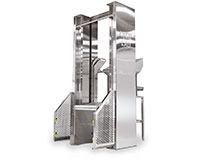
- Uniform bean distribution prevents dead zones and uneven uptake
- Self-draining, sanitary construction reduces turnaround time and variability from residual water
- Fast, predictable discharge keeps the line balanced and reduces operator intervention
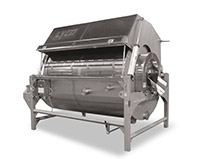
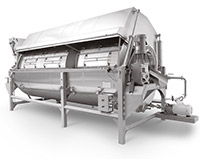
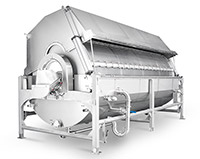
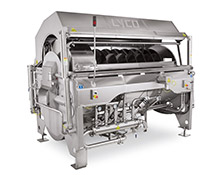
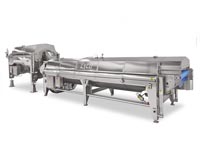
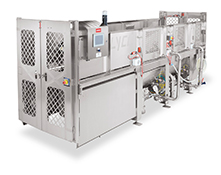
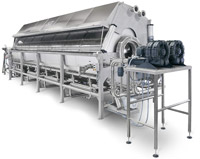
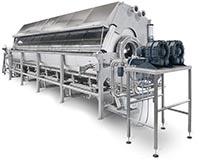
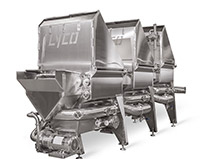
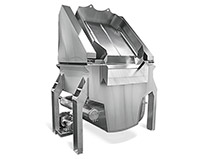
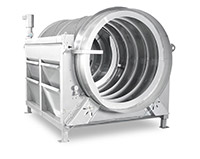
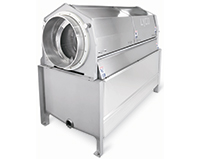
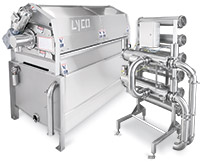
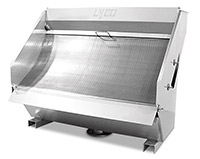
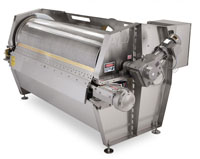
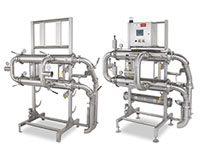
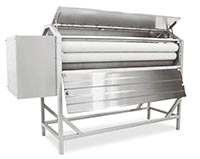
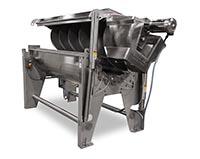
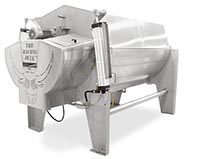
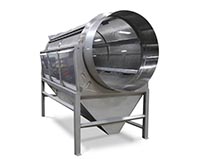
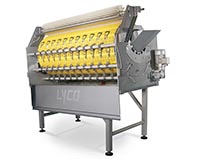
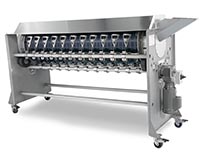
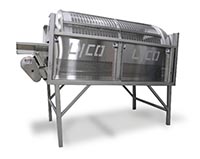
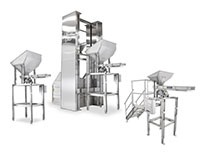
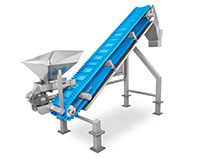
Lyco Manufacturing’s Continuous Blanching/Hydrating Systems replace 8-12 hour soak tanks processes to 60-90 minutes. These systems are built for controlled hydration–consistent ratios, uniform agitation, and sanitary discharge that holds up shift after shift. The design reflects what we’ve learned from over 850 installations across bean, grain, and pasta operations.
WHAT TO WATCH: QUALITY FAILURES CAUSED BY “TOO FAST” HYDRATION
If your team is pushing soak time down, monitor these early warnings:
- Rising skins in wastewater
- Higher broken bean percentage pre-cook
- Texture delta widening across samples
- Cooker running hotter or longer to compensate (capacity loss)
- QA moisture checks failing more often (holds, relabels, waste)
DOWNSTREAM CONTROL: BLANCHING AND COOKING THAT DOESN’T CLUMP OR OVERWORK BEANS
Once hydration is consistent, continuous cooking can be more aggressive on throughput without destroying product quality.
- Gentle agitation and consistent temperature reduce clumping and prevent localized overcooking
- Controlled retention time gives you the same endpoint across shifts and varieties
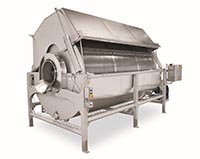
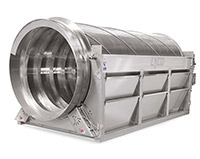
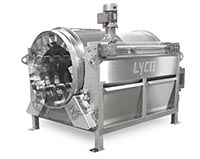
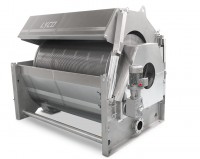
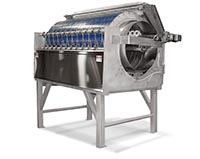
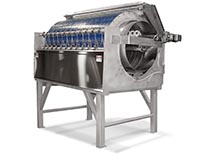
The Rotary Drum Blancher is built for controlled 60-90 minute retention times, uniform temperatures, and gentle handling—key traits when you’re tightening soak windows and need predictable downstream performance. The drum rotation keeps beans moving without the mechanical stress that causes splits and skin damage.
NEXT STEP
If you want help prioritizing what will actually move the needle—learn more about replacing soak tank systems with continuous blanching/hydrating systems.
Questions? Call 920-623-4152