




RTE FOOD PROCESSING SANITATION: CIP VS. COP IS THE WRONG DEBATE, HERE’S THE RIGHT ONE
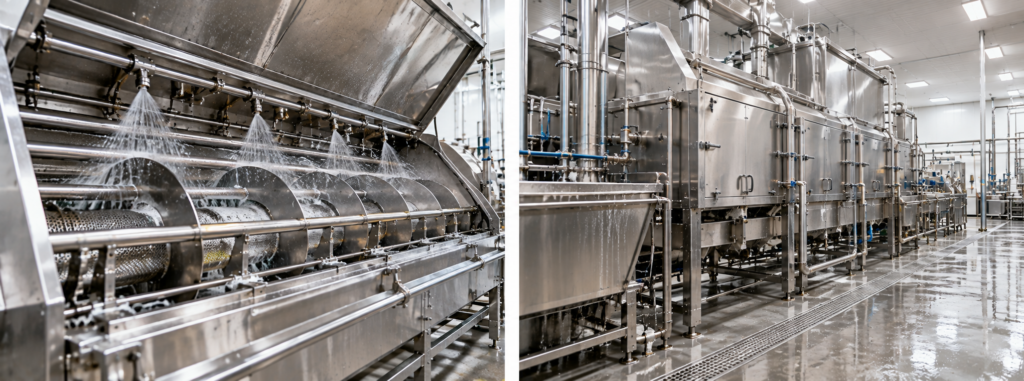
We hear this argument in every plant: CIP or COP? But on the floor, the winning approach is simpler:
Design the line so the dirtiest work becomes repeatable, verifiable, and fast—then pick CIP or COP based on access, soil load, and risk.
This matters most for RTE processors running pasta, rice, vegetables, beans, and proteins where starch, fines, and fats create heavy soil loads, and where multiple SKUs per day drive changeover frequency.
MARKET CONTEXT: WHY “SANITATION CAPACITY” IS NOW A KPI
The strongest RTE operations we work with are tracking:
- Changeover minutes per SKU
- Water usage per clean
- First-pass verification rate (ATP/micro/allergen)
- Downtime tied to sanitation vs. mechanical maintenance
- Wastewater solids, starch load, and screening performance
Sanitation is being treated like a production asset because it directly impacts:
- Throughput
- Shelf-life performance
- Recall risk
- Labor stability
STEP 1: CLASSIFY YOUR LINE BY SOIL TYPE (THIS DETERMINES EVERYTHING)
Before you argue CIP/COP, classify the soils:
- Starch-heavy (pasta, rice, potatoes): gelatinized paste, sticky buildup, rapid film formation
- Protein-heavy (beans, proteins): stubborn films, higher risk of biofilm if not removed completely
- Fat/FOG-heavy (proteins, sauces): needs chemistry and temperature discipline
- Particulate-heavy (vegetables, beans): fines, skins, broken pieces, drain and screen loading
Actionable insight: Soil type should drive your detergent choice, temperature window, and mechanical action—more than “we’ve always foamed it.”
STEP 2: MATCH THE CLEAN METHOD TO THE RISK ZONE
WHERE CIP IS THE RIGHT TOOL
CIP fits when you have:
- Closed product contact surfaces
- Good drainability and return routing
- Controlled flow paths (no dead legs)
- A need for repeatable, auditable cycles
The win isn’t just labor—it’s repeatability and faster re-start confidence.
WHERE COP/TEARDOWN STILL WINS
COP remains best where you have:
- Frequent product changes with heavy particulate hang-up
- Components requiring direct inspection
- High-risk transitions, discharge points, and gasketed joints
- Older systems with poor clean coverage
Plant-floor reality: Many lines need a hybrid—CIP for core zones, quick COP for critical contact points.
STEP 3: STOP OVERCLEANING THE WRONG THINGS (FOCUS ON CHANGEOVER ARCHITECTURE)
In multi-SKU RTE plants, the biggest time sinks are:
- Too many open steps
- Too many fasteners
- Too many “hidden” surfaces that only one person remembers
- Too many “we’ll just rinse longer” decisions
Sanitation time collapses when equipment is built with:
- Fewer harborage points, fewer cracks/crevices
- Tool-less access where it matters
- Sanitary welds, drainable geometry
- CIP circuits that actually hit the soil surfaces
STEP 4: VALIDATION AND VERIFICATION—MAKE IT FAST AND DEFENSIBLE
A practical, RTE-grade verification stack looks like:
- Visual inspection (targeted zones, not generic)
- ATP for cleanliness trend control
- Allergen swabs on changeovers when applicable
- Micro where required by EMP or product risk profile
- Digital documentation tied to the clean cycle and SKU
Trending expectation: Audits increasingly want to see proof of control, not just “we cleaned it.”
STEP 5: DON’T IGNORE UTILITIES—WATER AND WASTEWATER WILL LIMIT YOU
High-frequency sanitation drives:
- Water consumption spikes
- Drain overload
- Screen blinding
- Solids carryover and odor risk
RTE plants that stabilize sanitation costs pay attention to:
- Liquid-solid separation early (screens, strainers)
- Right-sizing drains and return lines
- Capturing solids before they become wastewater problems
INTERNAL LINKS THAT SUPPORT THIS TOPIC
Readers comparing CIP/COP approaches typically also evaluate equipment platforms built for repeatable sanitation:
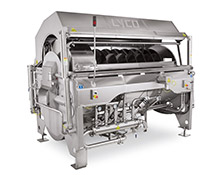
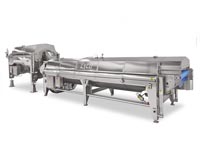
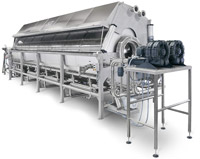
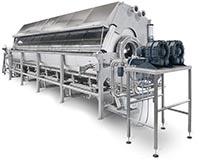
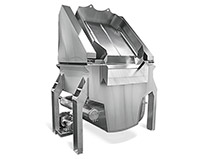
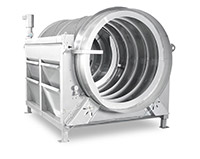
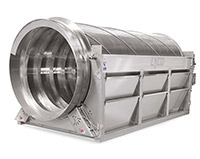
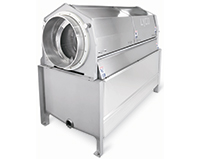
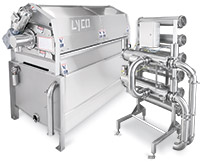
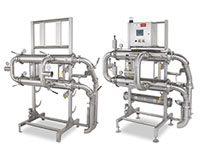
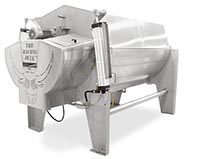
- Clean-Flow® (continuous blancher/cooker/cooler with high sanitary focus and CIP emphasis)
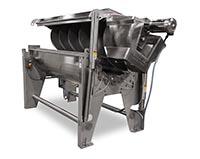
- Combination Cooker-Cooler (single system, single CIP approach across cook + cool zones)
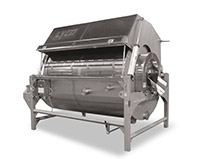
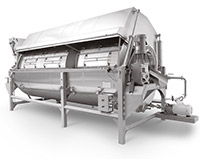
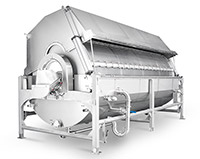
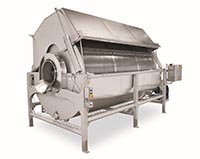
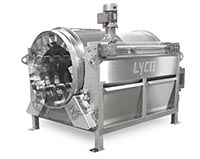
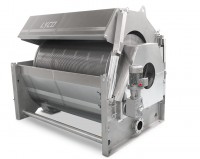
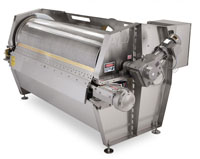
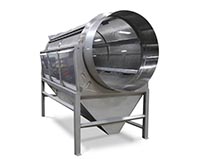
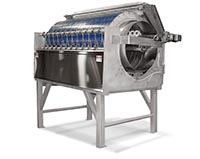
- Rotary Drum Blancher (high-volume blanching/cooking with sanitary access and process control—over 450 sold worldwide)
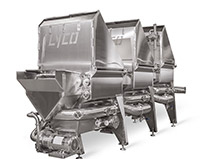
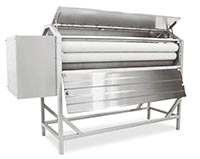
- Versa-Flow™ and Easy-Flow Cooler (quench/chill performance and fast cooling that reduces sticky soils)
PRACTICAL TAKEAWAYS
- Build a soil map: starch/protein/fat/particulate by zone
- Identify the top (5) “verification failures” and trace them to geometry, not people
- Standardize changeover steps to reduce operator variation
- Treat wastewater screening as part of sanitation capacity
- If CIP is underperforming, measure coverage and return routing before changing chemistry
READY TO TRANSLATE CHANGEOVER TARGETS INTO EQUIPMENT REQUIREMENTS?
If your sanitation constraint is limiting throughput, we can help translate your changeover targets into equipment and process requirements—CIP coverage, drainability, access, and product-handling that reduces soil formation.