




RTE FOOD PROCESSING SANITATION: WHAT’S BREAKING, WHAT’S WORKING, WHAT TO FIX FIRST
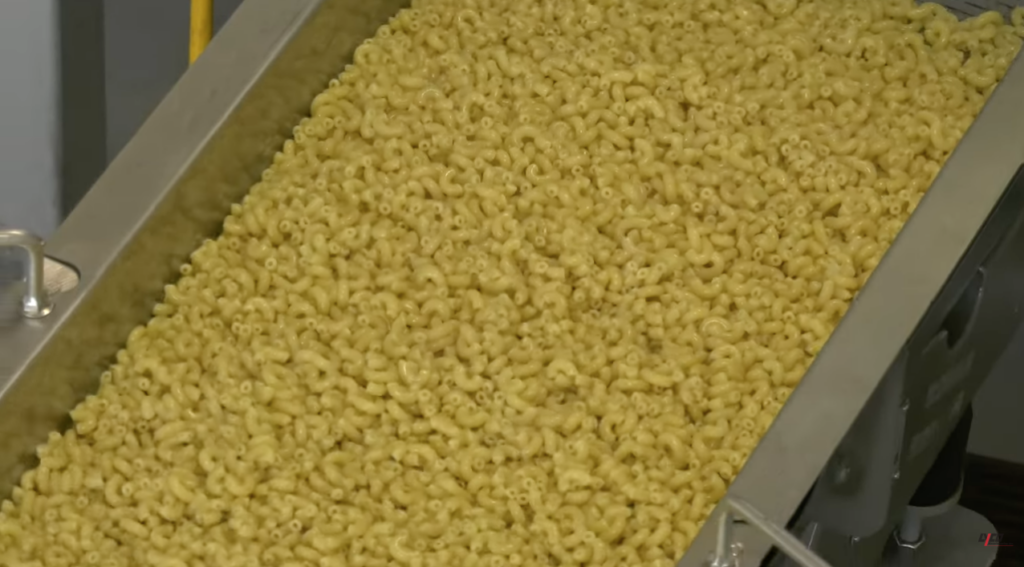
We’ve watched sanitation become the bottleneck nobody planned for. More SKUs, more allergens, shorter runs, tighter verification—and the same crew trying to execute more changeovers per shift. The plants pulling ahead aren’t cleaning harder. They’re engineering sanitation into the process, eliminating harborage points, reducing open handling, and deploying CIP where it actually delivers measurable downtime reduction.
Here’s a plant-floor playbook that maps directly to the biggest sanitation pain points in RTE pasta, rice, vegetables, beans, and protein components.
WHY RTE SANITATION PRESSURE IS TRENDING UP (RIGHT NOW)
Operations teams are reacting to forces we see in every plant visit:
- SKU proliferation + co-manufacturing reality—more product varieties per line per day, more changeovers, more label risk
- Allergen management complexity, especially in mixed portfolios (dairy, egg, wheat/gluten, soy)
- Heightened verification expectations—environmental monitoring programs (EMPs), ATP + microbiological confirmation, digital traceability
- Water and wastewater constraints—higher costs, discharge limits, screening needs tied to starch, fines, FOG, and breading solids
- Labor shortages—fewer skilled sanitation techs, more reliance on repeatable systems, checklists, and automation
The result: sanitation is now a throughput constraint, not just a compliance function.
THE TOP 7 RTE SANITATION FAILURE MODES (AND HOW TO ENGINEER THEM OUT)
If you’re seeing long cleanups and inconsistent verification, it’s usually one (or more) of these:
- Clumping and product hang-up in cookers, coolers, dead legs, transitions, and discharge chutes
- Starch and protein soils baking on in hot zones (cook, blanching, rehydration)
- Harborage points—threads, hollow sections, non-drainable framing, gasketed joints that don’t get flow
- Mixed clean methods (manual foam + partial CIP) leaving “shadow zones”
- Allergen cross-contact risk driven by incomplete disassembly or poor CIP coverage
- Water management gaps—overspray, pooling, aerosol risk, poor drainage slope
- Verification mismatch—ATP pass but micro fails because soils were removed, not contamination sources
Actionable takeaway: Start with a line walk focused on drainability, access, coverage, and changeover steps—then design out the steps that create variance.
CLEANING TIME IS A DESIGN PROBLEM: 5 HYGIENIC DESIGN LEVERS THAT CUT DOWNTIME
Sanitation labor doesn’t scale. Equipment design does. These (5) levers consistently reduce clean time and rework:
1) DRAINABILITY AND “NO WATER TRAPS”
- Continuous slope to drain, no flat ledges, no “cups,” no unsealed tubing ends
- This matters most around cookers, coolers and screens, where warm water + nutrients drive rapid risk
2) CLEAN-IN-PLACE (CIP) COVERAGE
CIP works when you control:
- Flow, velocity, turbulence, temperature, chemistry, time
- Spray device placement and return routing so you’re not just rinsing the easy surfaces
Plants moving from manual cleaning to validated CIP see the biggest gains in repeatability, not just minutes saved.
3) SHORTER CHANGEOVERS WITH FEWER OPEN SURFACES
Every time a system is opened, you add:
- Reassembly variability, gasket seating risk, and post-clean handling exposure
Design for fewer open steps, faster verification, and less “human-in-the-loop.”
4) SOIL REDUCTION UPSTREAM (YES, IT COUNTS AS SANITATION)
Uniform processing reduces the mess:
- Less overcooked starch = less paste
- Less breakage = fewer fines into drains and screens
- Less sticking = less scraping and less aggressive cleaning
This is where continuous systems with controlled agitation and gentle handling matter—especially for pasta and rice.
5) SANITATION-INFORMED UTILITIES: WATER, AIR, DRAINAGE
- Separate low-care/high-care air patterns
- Control overspray and pooling
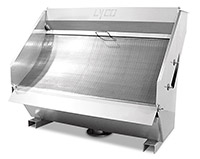
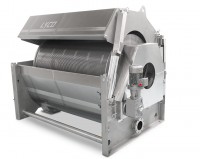
- Put real attention on liquid-solid separation (screens, strainers, wastewater screening) to keep solids out of drains and reduce backups
ALLERGEN CHANGEOVERS: BUILD A “PROOF, NOT PROMISE” SANITATION ROUTINE
If you’re running multiple SKUs on the same line in a day, you need allergen changeovers that are:
- Defined (sequence + setpoints)
- Executable (time and labor realistic)
- Verifiable (swabs, rapid tests, documentation)
Practical structure:
- Dry removal first (scrape/collect solids before water)
- Targeted pre-rinse to move bulk soils out
- Detergent wash tuned for starch/protein/fat soil type
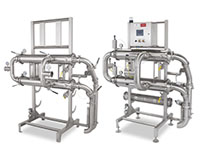
- Validated CIP loops where possible
- Post-clean inspection + verification (ATP for cleanliness, allergen swabs for risk)
INTERNAL LINKING OPPORTUNITIES (FOR READERS BUILDING A SANITARY LINE)
When RTE sanitation is the goal, sanitation strategy and processing equipment strategy can’t be separate. For additional context, readers typically review:
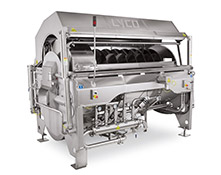
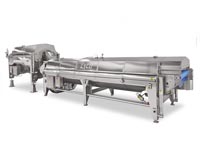
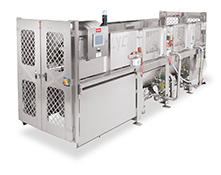
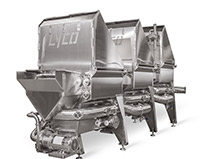
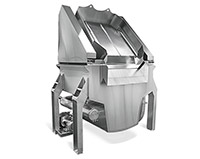
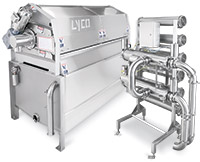
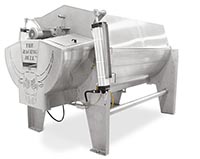
- Continuous cooking/cooling approaches for multi-SKU operations (see Clean-Flow® and Versa-Flow™)
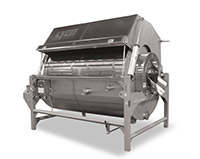
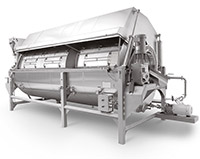
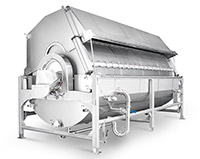
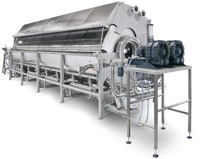
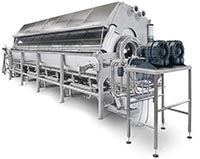
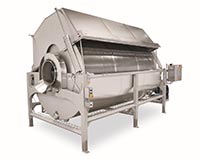
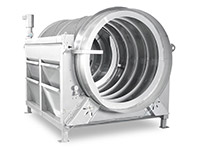
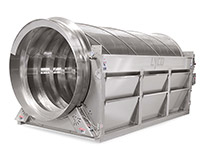
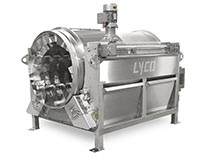
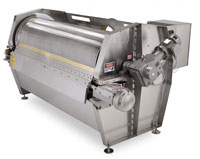
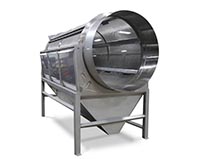
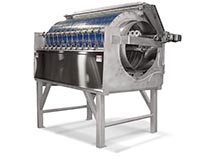
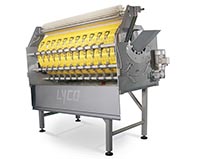
- High-throughput blanching/cooking with sanitary access (see Rotary Drum Blancher—over 450 installations worldwide)
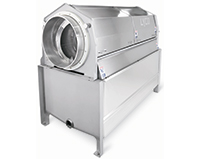
- Consolidating cook + cool into one CIP-managed system (see Combination Cooker-Cooler)
- Ultra-fast cooling to stop the cook and reduce stickiness (see Easy-Flow Cooler)
PRACTICAL TAKEAWAYS: WHAT TO DO IN THE NEXT 30 DAYS
- Map your top (3) changeovers, time each step, identify the “variance steps” (the ones different people do differently)
- Identify the top (10) sanitation pain points and classify them: design, procedure, verification, utilities
- Audit drainability and access around cook/cool zones and transitions
- Tie EMP findings back to equipment zones, not just rooms
- Quantify water use and wastewater solids load during changeovers—sanitation cost is often hiding there
READY TO MAP SANITATION CONSTRAINTS TO PROCESS DESIGN?
If you’re evaluating how to reduce RTE sanitation downtime without compromising food safety, we can help you map sanitation constraints back to process design, CIP coverage, and changeover architecture.